Dwppon

Electrical Safety for Hospitals Isolation Panels for Hospitals Electromedical equipment that protects the lives of patients and medical staff against the risk of electrocution during invasive procedures. Official representatives of Post Glover LifeLink in Mexico, Central America, and the Caribbean WhatsApp Contact star_ratestar_ratestar_ratestar_ratestar_rate
Excellence

+400 Hospitals

equipped with Post Glover LifeLink isolation panels in Mexico, Central America, South America, and the Caribbean

+60 years

Post Glover LifeLink: world-leading manufacturer focused on critical energy safety for hospitals

4 countries

Presence in Mexico, Central America, South America, and the Caribbean with local installation and support

NOM-001-SEDE-2012 Art. 517

Full compliance with Mexican regulations for isolated electrical systems in hospitals
hospital_regional_tlalneplanta_img_2

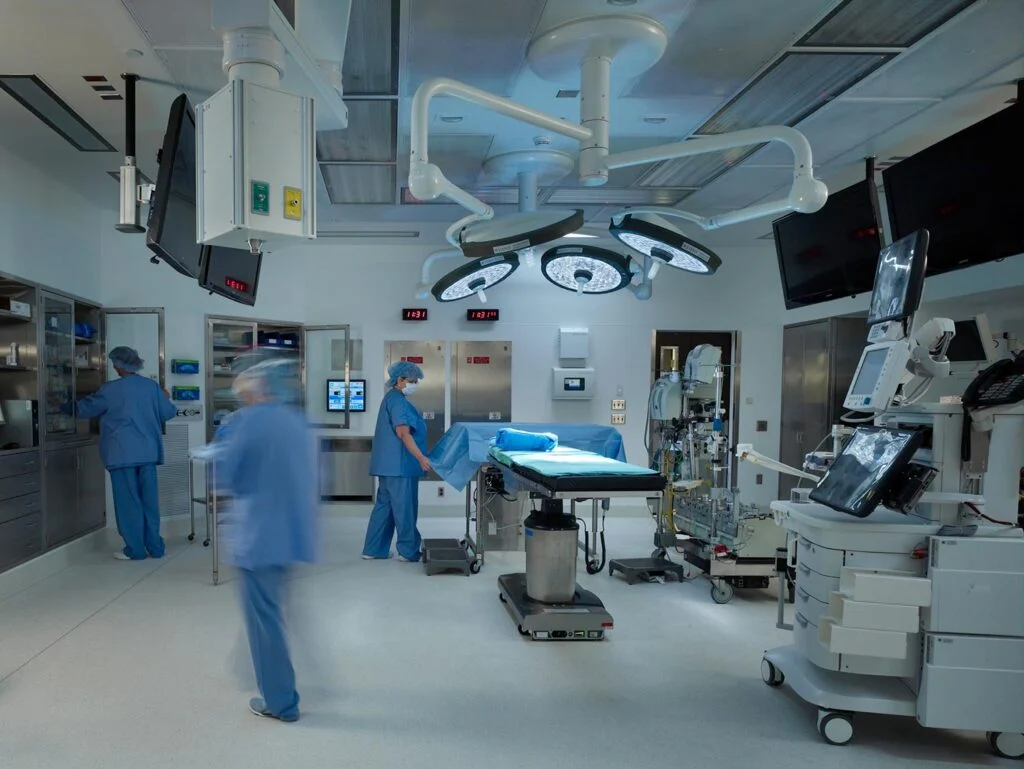
Why does your hospital need isolation panels?

isolated system
The Problem
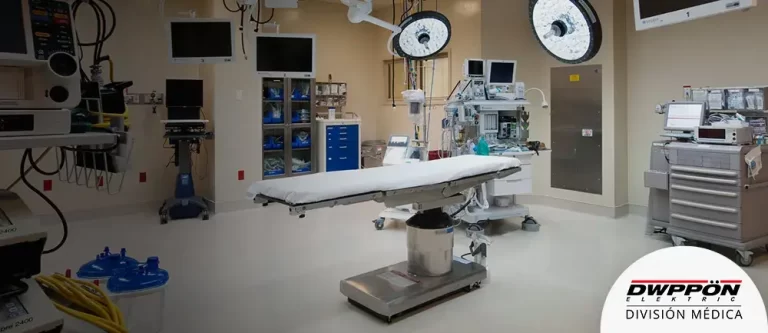
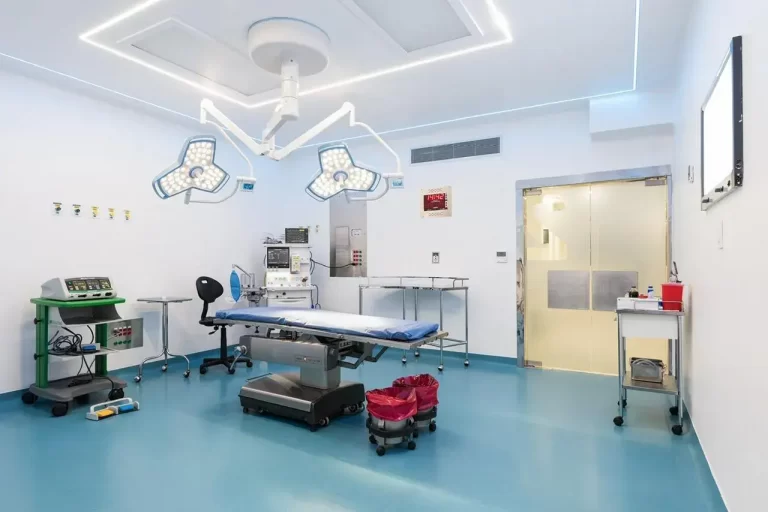
Not having an isolation panel (or isolated electrical system) in critical areas, such as operating rooms, intensive care units (ICU), or high-precision laboratories, represents a latent risk for the safety of medical personnel and patients, as well as for operational continuity.
Regulatory and Legal Non-compliance
Damage to Sensitive Electromedical Equipment
Consult with expert engineers to acquire isolation panels and the necessary accessories to:
  • Avoid the risk of electrocution during surgery
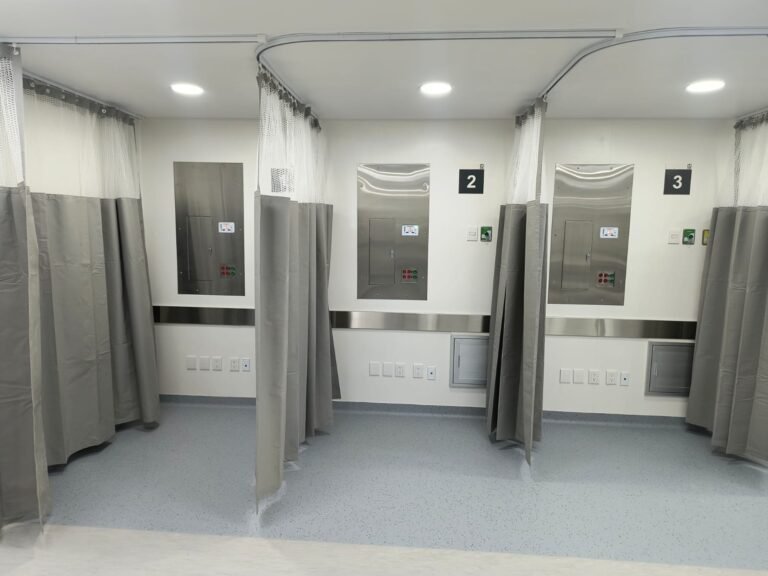
  • Protect patients and hospital staff from receiving an electric shock caused by ground faults, while keeping electromedical equipment running.
  • Prevent micro-electric shocks during invasive procedures in the Operating Room or any other critical area that can cause burns or even death.

The standard that requires it: NOM-001-SEDE-2012 Article 517 and NOM-016-SSA3-2012

  • Intensive Care Units (adult, pediatric, and neonatal)
  • Operating Rooms
  • Delivery Rooms
  • Intensive Care Units
  • Coronary Care Units
  • Emergency Rooms
  • Hemodialysis
  • Peritoneal Dialysis
  • Obstetric Surgery
  • Burn Unit
  • Angiography Rooms
  • Computed Tomography Rooms
  • Magnetic Resonance Imaging Rooms
  • Portable X-ray Equipment
  • Portable Laser Equipment

Which model does your hospital need?

correct panel for your area

Not sure which model you need? Our engineers specialized in isolated systems provide free advice. We evaluate your hospital's blueprints and recommend the optimal configuration for each area.

Request free advice

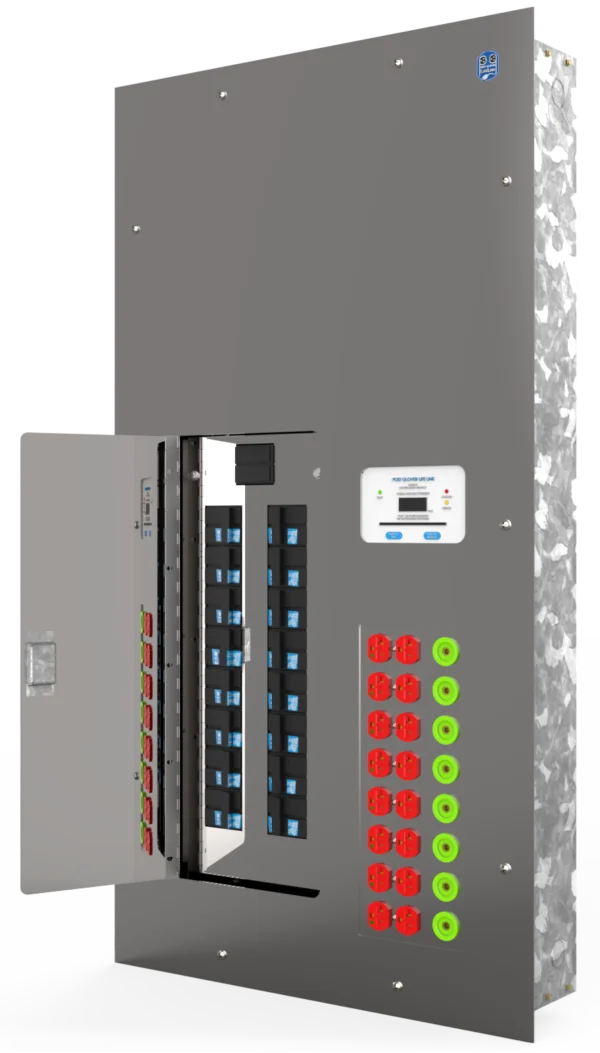
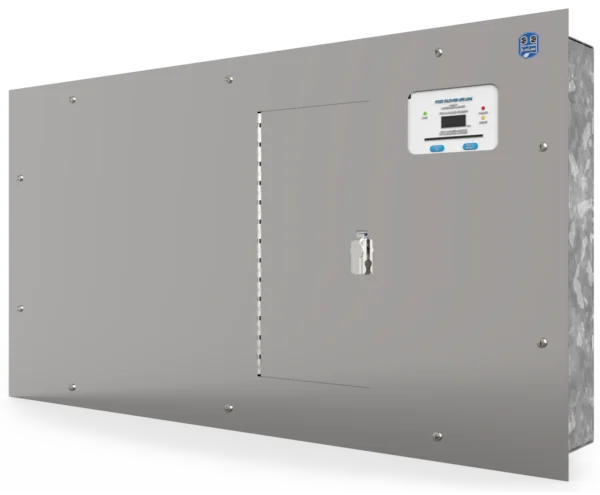
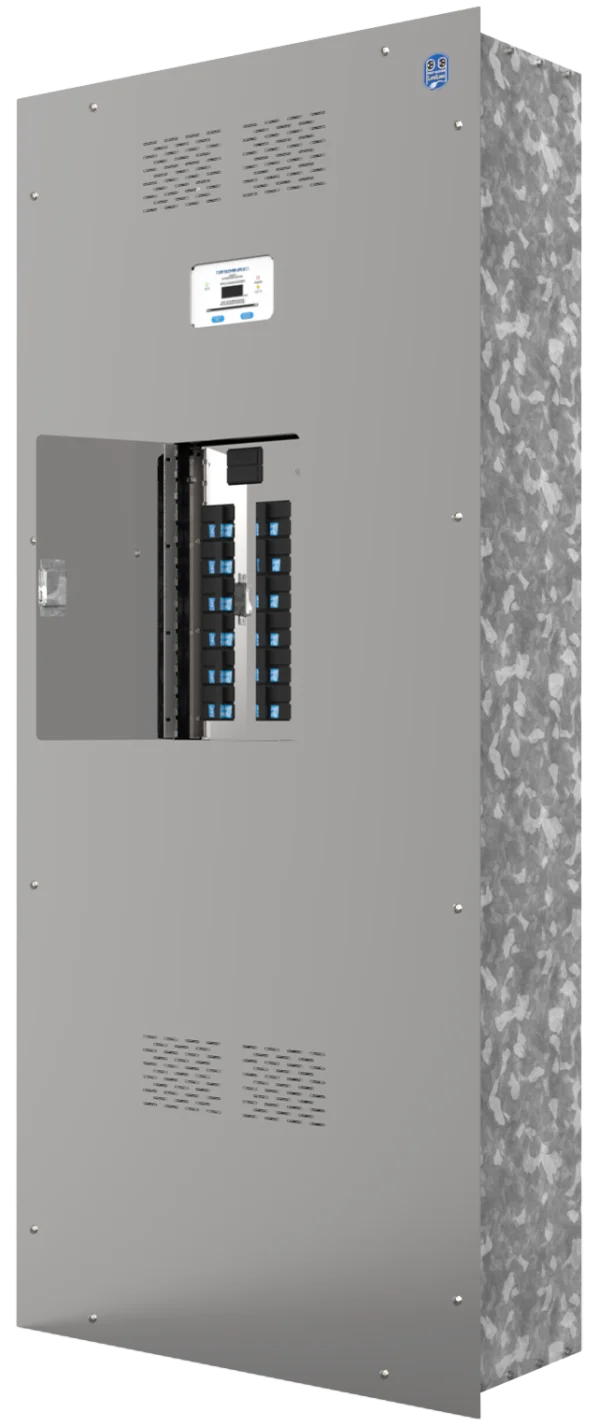
Isolated power panel models

Post Glover LifeLink

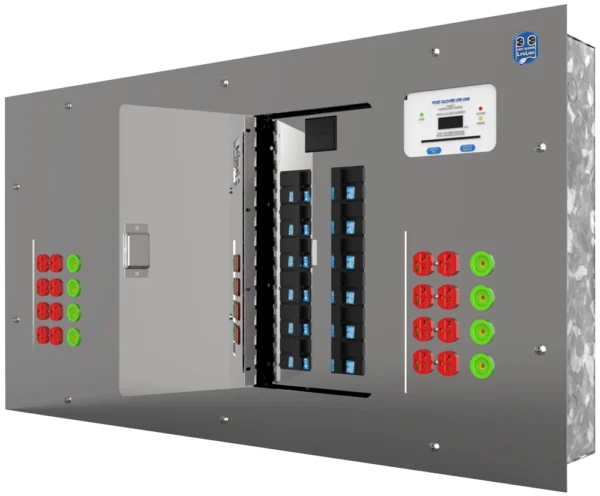
Each model is designed for a specific type of critical area. All comply with article 517 of the NOM-001-SEDE-2012, UL 1047, UL 1022, UL 506, UL 50 standards and NOM-003-SCFI-2014 certification. Choose the model according to your hospital’s area.

Previous
Next

Frequently Asked Questions

Isolated Power Panels
What is an Isolated Power Panel?

An Isolated Power Panel is electromedical equipment that prevents electrical micro-shocks to patients and healthcare personnel while they are undergoing invasive procedures within an operating room, Intensive Care Units (ICU), or generally any critical care area in clinics, hospitals, sanatoriums, medical centers, etc.

  • An Isolated Power Panel has the function of protecting patients and hospital staff from receiving an electric shock caused by ground faults, while simultaneously keeping electromedical equipment powered on.
  • During surgery, the patient, being connected to electromedical equipment, experiences a reduction in their body’s electrical resistance.

Global statistics show that deaths from electrocution in operating rooms have increased, given that the use of electromedical equipment is currently used more in surgery and diagnosis. Learn more

An Isolated Power Panel has the function of protecting patients and hospital staff from receiving an electric shock while they are in surgery or undergoing any invasive procedure in which they have contact with biomedical equipment.

It achieves this by correctly distributing the electrical energy used to power all electromedical equipment and constantly monitoring this current to detect any leakage caused by ground faults, while keeping the equipment powered on.

Having an isolated power panel in hospitals is of vital importance to comply with the official standards NOM-001-SEDE-2012 and NOM-016-SSA3-2012, which establish that within the minimum infrastructure and equipment characteristics of hospitals, there must be Isolated Power Systems in Critical Care Areas.

This is because:

  • Isolated power panels avoid the risk of electrocution during surgery.
  • They prevent electrical micro-shocks during invasive procedures in the Operating Room, as well as in Intensive Care Units, which can cause burns or even death.
  • Isolated power panels safeguard the lives of patients and medical staff by preventing the risk of death caused by electric shock.
  • Isolated power panels allow electromedical equipment to remain powered on even when a leakage caused by ground faults is detected.

>> Learn more about the importance of isolated power panels.

The official standards NOM-001-SEDE-2012 and NOM-016-SSA3-2012 establish that for hospital use, it is necessary to have an isolated electrical system in Critical Areas such as:

  • Intensive Care Units
  • Operating Rooms
  • Delivery Rooms
  • Transplant Rooms
  • Procedure Rooms
  • Care areas with electrical risk
  • Toco-surgery rooms
  • Shock trauma rooms
  • Intermediate therapy
  • Intensive Care Units
  • Coronary Care Units
  • Neonatal Intensive Care
  • Pediatric Intensive Care
  • Operating rooms
  • Emergency rooms
  • Hemodialysis areas
  • Peritoneal dialysis
  • Portable X-ray equipment
  • Portable Laser equipment

In short, in similar areas where patients are subject to invasive procedures and connected to electromedical equipment.

What else does NOM-001-SEDE-2012 say? Read full article

The Ministry of Energy, through the Official Mexican Standard NOM-001-SEDE-2012, holds the following people responsible for safety in the hospital:

1.- Owner of the Construction Company
2.- The Verification Unit
3.- Maintenance Personnel
4.- Property Owner
5.- Administrative Personnel

Learn more >> Read full article

NOM-001-SEDE-2012 and NOM-016-SSA3-2012.

Learn more >> Read full article

Article 517 of NOM-001-SEDE-2012 discusses Isolated Electrical Systems. Learn which sections of article 517 provide information about this system.

Learn more >> Read the full article

On May 20, 1997, the “Decree reforming, adding to, and repealing various provisions of the Federal Law on Metrology and Standardization” was published in the Official Gazette of the Federation, which entered into force on August 1 of the same year. The most important reforms introduced to the Federal Law on Metrology and Standardization are in articles 51 and 51-A, which established that Official Mexican Standards (NOM) and Mexican Standards (NMX) should be reviewed every 5 years from the date of their entry into force.

Now, the Official Mexican Standard NOM-001-SEDE for Electrical Installations (utilization), since its initial publication on April 20, 1999, has had three revisions: 2005, 2012, and soon the 2018 revision. We want to talk about the changes in Section 5, article 517, INSTALLATIONS IN ESTABLISHMENTS FOR MEDICAL CARE, of this latest 2018 revision to NOM-001.

The National Consultative Committee for Standardization of Electrical Installations (CCNNIE), in carrying out the review for NOM-001-2018, based itself on the NFPA-70 2017 Edition. The NEC in article 517 contains important concepts and references from the NFPA 20, NFPA 99, NFPA101, and NFPA110 standards that were not clarified in NOM-001-SEDE-2018. Therefore, many essential texts must be explained extensively for their understanding. Our mission is to clarify the texts contained in several sections of article 517.

Learn more >> Read full article

Commissioning refers to the planned process of starting up, regulating, and balancing systems, as well as equipment.

The concept of preventive maintenance is based on the inspection and cleaning of installations, as well as equipment, to avoid failures.

The importance lies in guaranteeing the correct operation of the Isolated Electrical System.

Go to Article: Maintenance of Isolated Electrical Systems in Hospitals

Tests to be performed on isolated electrical power systems to energize the operating room and intensive care beds in accordance with NOM-001-SEDE2012 and NFPA-99 Health Care Facilities 2005 edition.

1.- Isolated system tests

2.- Line isolation monitor test

3.- GFCI test

4.- “Patient vicinity” test

5.- Receptacle test in patient vicinity

6.- Leakage current test

7.- Equipment grounding conductor resistance test

8.- Conductive floor test

9.- Receptacle polarity test

10.- Receptacle retention test

11.- Maintain electrical continuity

12.- The line isolation monitor circuit must be tested after installation and commissioning

13.- Ensure the equipment operates and provides results according to its design

Learn more >> Go to Article: 13 Tests to perform on Isolated Power System Installations

A correct installation is essential to protect the lives of patients and medical staff from the dangers of electrical risks in hospitals, clinics, and sanatoriums. From the maximum permissible wiring distance to where to locate the timer clock. Click here and view all the information.

If you still have questions about the operation and importance of isolation panels for hospitals, you can watch the following video where we provide all the summarized information.

  • Conductor with insulation 1: Orange color with at least one continuous stripe or band of a color other than green, white, or gray along the entire length of the conductor.
  • Conductor with insulation 2: Brown color with at least one continuous stripe or band of a color other than green, white, or gray along the entire length of the conductor.
  • For three-phase isolated electrical systems: The third conductor with insulation must be identified in yellow with at least one continuous stripe or band of a color other than green, white, or gray along the entire length of the conductor.
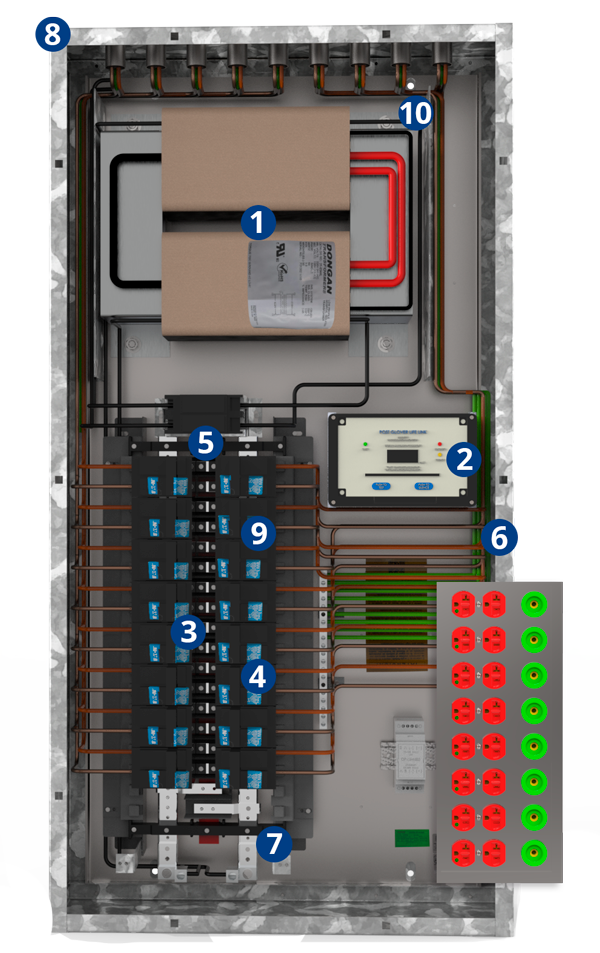
1

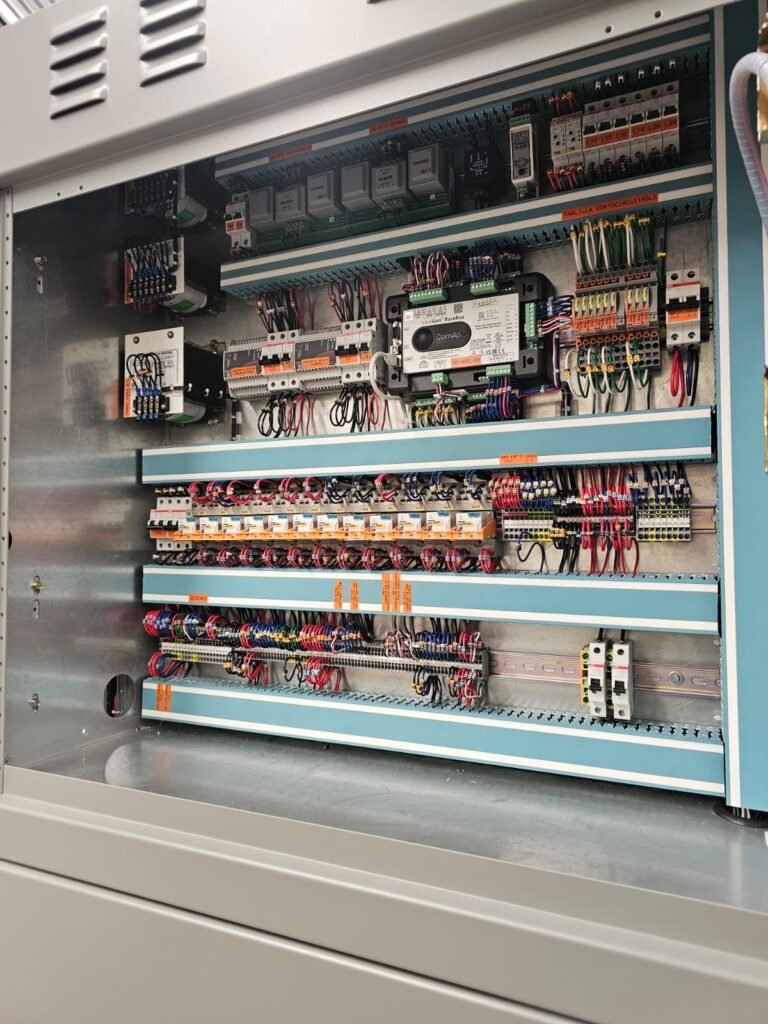
Single-phase E-core isolation transformer, with electrostatic shield between Primary and Secondary.

2

Post Glover LifeLink Mark V Line Isolation Monitor.

3

Load centers with two-pole circuit breakers.

4

Door with lock.

5

Field Electrical Wiring Compartment.

6

Terminal Block.

7

Grounding Busbar

8

Heavy-duty box

9

Chassis

10

Panel Front

Backed by the world's leading brand in isolated systems

Post Glover LifeLink

Post Glover LifeLink

Offers the most complete line of isolation panels and accessories for hospitals. With over 60 years focused on critical energy safety, thousands of hospitals around the world trust their equipment, which features the most advanced technology in fault location, load monitoring, and communication. Dwppon is the official representative of Post Glover LifeLink in Mexico, Central America, and the Caribbean.

"The operating room is a workplace with a high risk of electrocution." Wills et al. 2010; Medical Researchers

"Despite years of electrical safety education, regulations, and surveillance units, there is still a major threat to life caused by electric shocks during a surgical procedure." Baker and Doyle (2010); Medical Researchers

Full regulatory compliance for your hospital

DWPPON
01
NOM-001-SEDE-2012 / 2018, Article 517
Installations in medical care establishments. Defines the requirements for isolated electrical systems in critical hospital areas. Design basis for all our systems.
02
NOM-016-SSA3-2012 / NOM-003-SCFI-2014
NOM-016-SSA3-2012: Minimum characteristics of hospital infrastructure and equipment. Establishes that isolated power systems must be available in critical care areas.

NOM-003-SCFI-2014: Electrical products, safety. Mandatory certification of electrical equipment in Mexico.
03
UL Standards
  • UL 1047 — Standard for isolated power distribution panels for use in patient care areas.
  • UL 1022 — Standard for line isolation monitors.
  • UL 506 — Standard for voltage limiters.
  • UL 50 — Standard for electrical enclosures.
04
NFPA Standards
  • NFPA 99 — Health Care Facilities Code. Reference for testing and maintenance of isolated systems.
  • NFPA 70 (NEC) — National Electrical Code. International basis for Art. 517.

Products and Services

Dwppön Elektric

Specialized Articles

Blog
Select the fields to be shown. Others will be hidden. Drag and drop to rearrange the order.
  • Image
  • SKU
  • Rating
  • Price
  • Stock
  • Availability
  • Add to cart
  • Description
  • Content
  • Weight
  • Dimensions
  • Additional information
Click outside to hide the comparison bar
Compare

Redes Sociales

Los detalles hacen la diferencia en cada instalación eléctrica ⚡ En Dwppön Elektric contamos con una línea de accesorios para tableros de aislamiento diseñados para complementar su funcionamiento, mejorar la seguridad y facilitar la operación en entornos hospitalarios 🏥 Conoce más sobre nuestros accesorios

33

¡Celebramos 40 años de Dwppön Elektric! 🎉 Este aniversario también pertenece a quienes han formado parte de nuestra historia: clientes, colaboradores y aliados que nos han permitido crecer, innovar y llevar nuestra ingeniería a todo México. Gracias por acompañarnos durante estos primeros 40 años 🙌

5

Estamos cumpliendo 40 años y queremos compartir contigo algunas cosas que forman parte de nuestra historia 🤓 Estos datos reflejan quiénes somos y lo que nos ha permitido llegar hasta aquí 💪 Dwppön Elektric: 40 años de ingeniería, innovación y confianza.

22

Esta semana es muy especial para nosotros 🥳 Hace casi 40 años comenzó una historia impulsada por la ingeniería, el compromiso y la confianza de nuestros clientes. Por eso, en vísperas de nuestro 40 aniversario, estamos celebrando el desarrollo de soluciones eléctricas que acompañan proyectos en México y Latinoamérica ⚡

36

¿Horizontal o vertical? 🤔 La mejor opción depende del espacio disponible, no del nivel de protección. Los tableros de aislamiento IDP Horizontal e IDP Vertical ofrecen la misma confiabilidad y seguridad para áreas críticas hospitalarias. La diferencia está en la configuración que mejor se adapta a las condiciones de instalación de cada proyecto. En Dwppön diseñamos soluciones que optimizan el espacio sin comprometer el desempeño, ayudando a mantener la continuidad eléctrica y la protección de pacientes y personal médico.

25